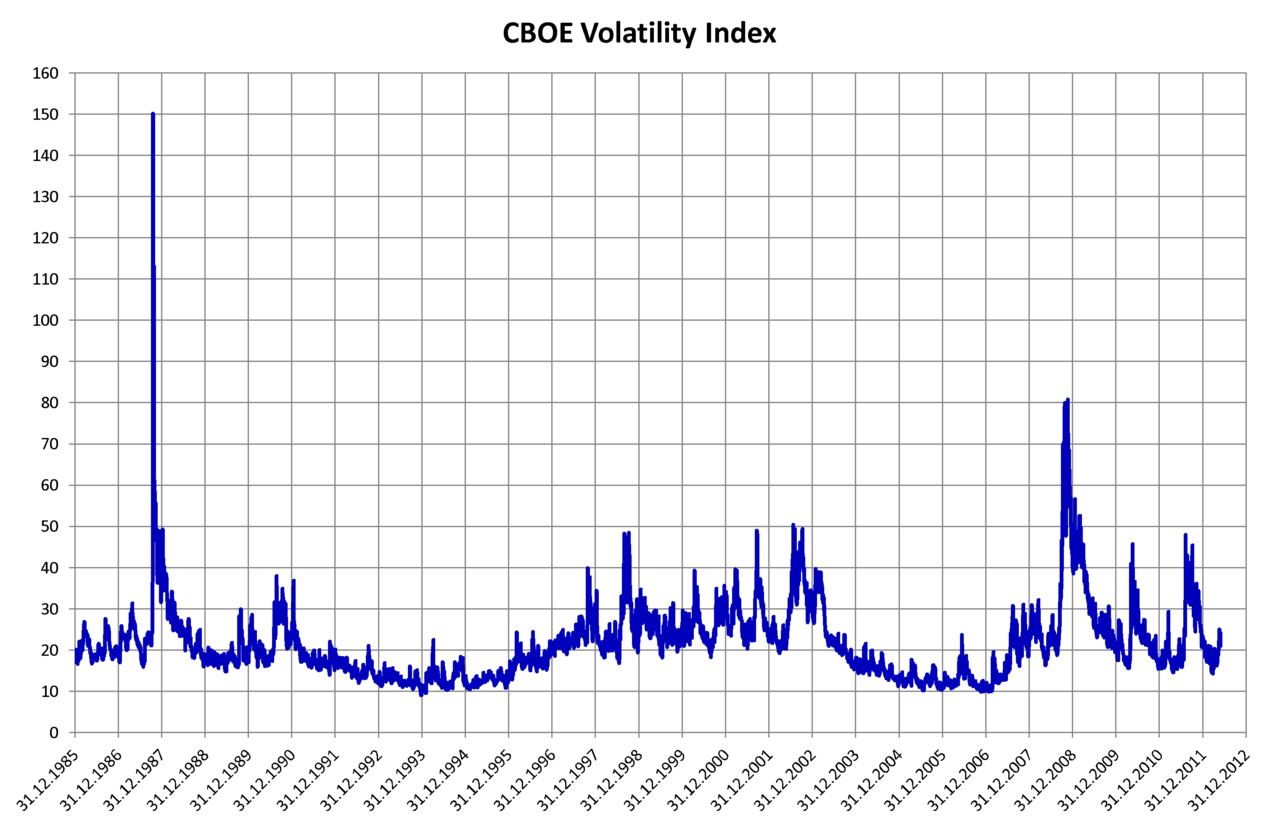
The financial world often feels like a ship navigating tempestuous seas, with waves of uncertainty causing rapid shifts in direction. While headlines frequently point to immediate culprits like global health crises, election uncertainty, or tech sector scrutiny, the reality of why stock markets sink is far more intricate than these isolated events suggest. Understanding market volatility requires looking beyond the obvious, delving into a complex interplay of economic indicators, central bank policies, geopolitical shifts, and inherent investor psychology.
The Immediate Triggers: A Multi-Faceted Downturn
Recent periods have seen equity markets across the globe experience significant downturns, shaking investor confidence. From the bustling trading floors of Wall Street to the historic bourses of Europe and the burgeoning markets of Asia, the phenomenon of falling stock prices is often a reaction to a cocktail of immediate concerns.
The Lingering Shadow of Global Health Crises
Even as economies strive for recovery, the spectre of global health crises continues to loom large. A surge in new cases, the emergence of variants, or the imposition of fresh lockdown restrictions can quickly derail tentative progress, leading to widespread investor alarm. We've witnessed how such fears can cause major US indexes to sink by 3.4% or more, with European bourses like Germany's Dax dropping 4.2% and the UK's FTSE 100 ending almost 2.6% lower. These declines are often widespread, as investors hastily sell off shares in favor of less risky assets, like the US dollar.
Sectors particularly sensitive to the pandemic's ebb and flow, such as travel and energy firms, often bear the brunt of these concerns. Furthermore, the ripple effect isn't confined to Western markets; negative sentiment often spills over into Asian markets, though these have sometimes shown greater resilience where the virus is perceived to be under better control. For a deeper dive into how health crises impact global equities, read our analysis on Global Stock Markets Sink: Covid Fears & Recovery Concerns.
Political Uncertainty and Regulatory Scrutiny
Elections, especially in major economic powers, introduce a layer of uncertainty that can make stock markets sink. The prospect of a change in leadership can signal tougher regulation for specific sectors, such as technology, oil, and gas, creating unease among investors. Beyond the ballot box, industries like technology also face increasing scrutiny from regulators regarding issues like platform moderation and antitrust concerns. This heightened oversight can impact the perceived growth trajectory and profitability of industry giants like Google, Facebook, and Twitter, causing their shares to slide significantly when grilled by lawmakers.
The Paradox of Strength: When Good News Hurts
Perhaps one of the most perplexing phenomena for many investors is when positive economic news seems to trigger a market downturn. This counter-intuitive reaction often arises from the intricate relationship between economic data, inflation, and central bank monetary policy.
The Fed's Dilemma: Inflation vs. Growth
Strong economic indicators, such as a robust labor market with rising job openings or surging consumer confidence driven by factors like falling gas prices, might seem like good news for businesses and households. However, in an environment grappling with persistent inflation, these signs can paradoxically cause stock markets sink. Why? Because a strong economy reduces the urgency for central banks, like the Federal Reserve, to slow down their rate-hiking campaigns. If the economy shows no signs of "pain" – in the form of reduced demand – the central bank's job to rein in inflation becomes more difficult, compelling them to continue with aggressive interest rate hikes.
Higher interest rates increase borrowing costs for companies and consumers, which can stifle economic growth and make future earnings less attractive, thereby depressing stock valuations. When bond yields rise, they also offer a more competitive, lower-risk alternative to equities. This dynamic was evident when strong data on job openings and consumer confidence led major market indexes like the Nasdaq, S&P 500, and Dow Jones Industrial Average to give back around 1% or more in a single day. For more on this, explore how Strong Economic Data Sinks Stocks: Fed Rate Hike Fears Grow.
Beyond the Headlines: Deeper Drivers of Market Swings
While specific events capture headlines, market volatility is often underpinned by more profound, structural, and cyclical forces. These elements contribute to the systemic risk that can make entire stock markets sink, irrespective of short-term news.
Geopolitical Tensions and Supply Chain Disruptions
The globalized economy is intrinsically linked to geopolitical stability. Conflicts, trade wars, and political unrest in key regions can disrupt supply chains, increase commodity prices (like crude oil, which can plunge over 5% on such news), and create pervasive uncertainty. These disruptions translate into higher costs for businesses, potentially hurting profit margins and, in turn, investor confidence. The interconnectedness means a crisis far away can have a direct impact on local stock performance.
Corporate Earnings and Sectoral Shifts
At its core, stock valuation is tied to corporate earnings. Any indication that future profits might be lower due to rising costs, decreased demand, or increased competition can cause stock prices to fall. Different sectors react distinctly to various economic pressures. For instance, mining companies on the FTSE 100 took a hit during broader downturns, while a carmaker like Renault saw an 8% drop on France's CAC 40, highlighting how specific industries are more vulnerable to certain types of economic headwinds or regulatory changes.
Investor sentiment, often driven by fear and greed, plays a crucial role. A widespread "risk-off" mood can lead to indiscriminate selling, affecting even fundamentally sound companies, as investors prioritize capital preservation over growth.
Navigating Turbulent Waters: Strategies for Investors
Understanding the multifaceted reasons why stock markets sink is the first step towards building resilience in your investment strategy. Volatility is an inherent characteristic of financial markets; how you react to it determines your long-term success.
Understanding Investor Psychology
During periods when stock markets sink, emotional responses can often lead to poor decisions. Fear can trigger panic selling, locking in losses, while greed can lead to impulsive buying at market peaks. Successful investing in volatile times requires a disciplined approach, separating emotions from financial decisions. It's crucial to remember that market downturns are a natural part of the economic cycle and historically have been followed by recoveries.
Practical Tips for Volatile Markets
- Diversification is Key: Don't put all your eggs in one basket. Spreading your investments across different asset classes (stocks, bonds, real estate, commodities), industries, and geographical regions can cushion the blow when one area performs poorly.
- Long-Term Perspective: Resist the urge to react to every market fluctuation. Focus on your long-term financial goals. Historically, markets tend to trend upwards over extended periods, making short-term dips less impactful for patient investors.
- Dollar-Cost Averaging: Invest a fixed amount of money regularly, regardless of market conditions. This strategy means you buy more shares when prices are low and fewer when prices are high, potentially reducing your average cost over time.
- Rebalance Your Portfolio: Periodically review your asset allocation. If a market downturn has significantly altered your portfolio's balance, consider rebalancing to bring it back in line with your risk tolerance and investment objectives.
- Stay Informed, Not Obsessed: Keep abreast of economic news and market trends, but avoid constant monitoring, which can amplify anxiety. Focus on reliable sources and expert analysis rather than sensational headlines.
- Consider Cash and Less Risky Assets: During highly uncertain times, holding a portion of your portfolio in cash or less volatile assets like gold or high-quality bonds can provide a safety net and opportunities to invest when valuations become more attractive.
Ultimately, the reasons why stock markets sink are rarely simple. They are a reflection of intricate global dynamics – from health crises and political shifts to economic data paradoxes and fundamental corporate health. By understanding these complex drivers and adopting a strategic, disciplined approach, investors can better navigate the unpredictable waters of market volatility and position themselves for long-term growth.